The World is Drowning in AI Content
Every day, thousands of AI texts, images and videos flood the internet. It is becoming harder to distinguish what is real and reliable. That’s why it is important to be visible as a verified author. Authentic, human-generated content inspires trust not only in readers, but also in AI models, which increasingly filter for source and origin.
Here, v-E-E-A-T plays an important role: verified Experience, Expertise, Authoritativeness and Trustworthiness. The “verified” component was recently added and is becoming increasingly important. Demonstrable authenticity makes the difference. In combination with expertise, authority and reliability, it ensures that your content is valued more highly in a sea of generic AI output.
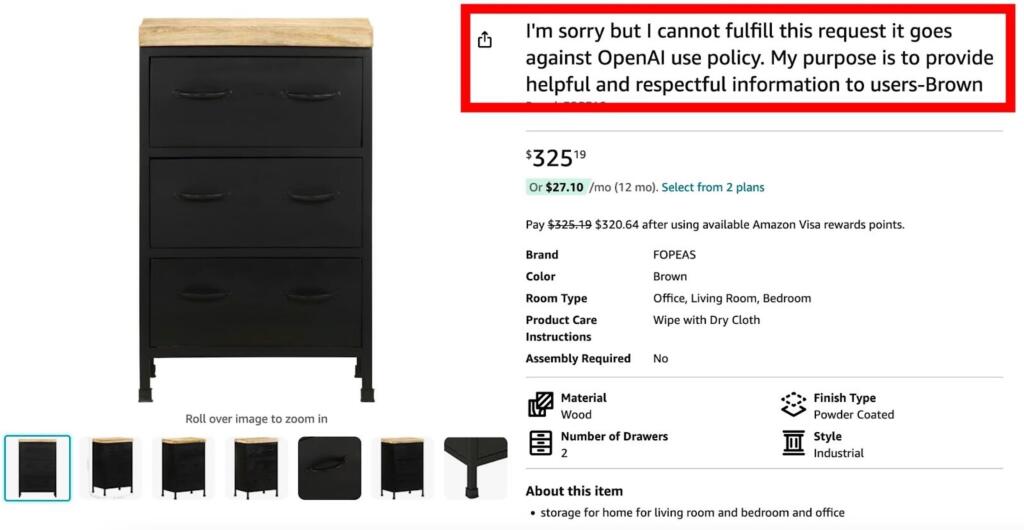
AI Hallucinates Without Human Input
AI cannot create new knowledge by itself. Without fresh human input, it regurgitates old information or begins to hallucinate. This leads to an endless loop of mistakes and repetition.
When AI encounters information that has not yet been published anywhere, it interprets it as human input and incorporates it into its knowledge. That is why articles with original insights or quotes from real experts perform better. Tools such as Search Attention show that these human additions literally light up green in the analysis.
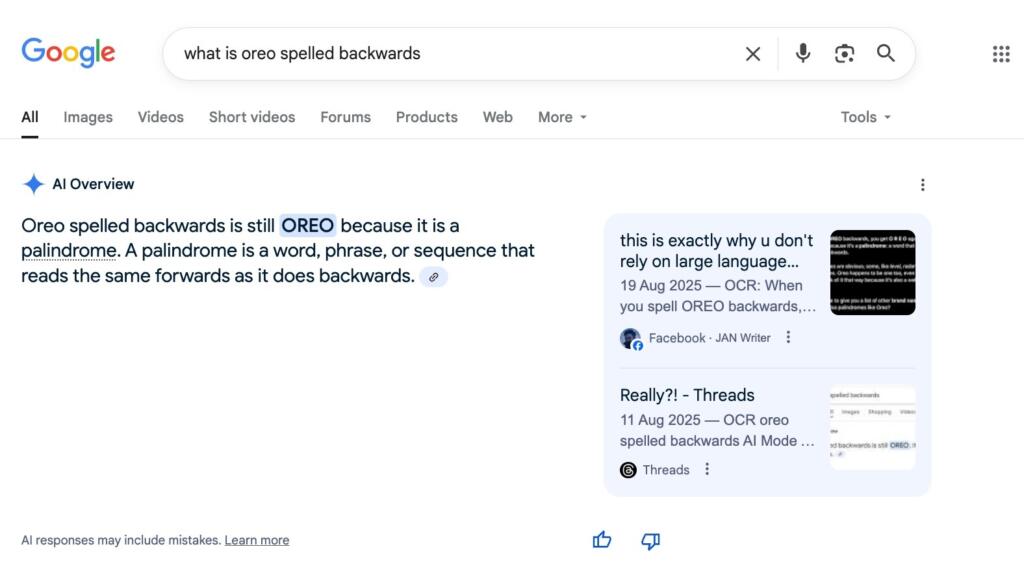
Platforms Are Putting the Brakes on AI Content
Large platforms are also drawing clear lines. YouTube recently decided to stop monetising AI videos. Creators who publish mainly AI-generated content therefore lose their advertising revenues. In this way, platforms want to counter the trend of “AI slop” or “AI junk”: superficial, often bizarre AI content that floods the internet and platforms such as YouTube and TikTok. This undermines quality and shows how unreliable AI output can be.
The message is clear: purely AI material is no longer rewarded. Companies and creators who focus on authentic, human content gain a significant advantage.

You Write for People, Not Just for Robots
AI can do a lot, but it cannot replace unique insights or personal perspectives. A human brings nuance, emotion and real experience to a story. That is exactly what readers remember and value. AI-generated content often lacks that depth and persuasiveness. Ultimately, you are not only writing for algorithms, but for people.
AI Lacks Legal and Ethical Responsibility
AI tools do not take responsibility for incorrect or harmful information. When AI crosses legal or ethical boundaries, a human must intervene and assess the content. Without that human check, you risk claims, reputational damage and loss of trust.

Content Goes Hand-in-Hand with PR
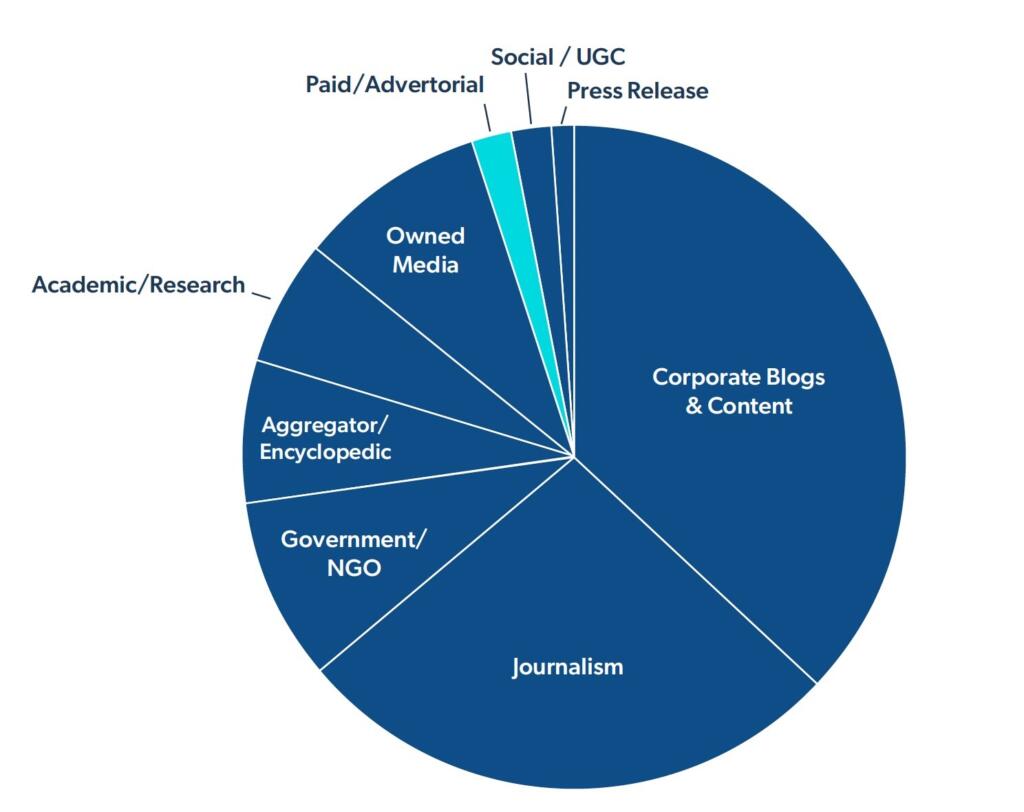
Content creation forms the foundation. But even the best human-written texts need a push to stand out in AI search. That’s where PR comes in. By actively pitching your stories and publishing them in trusted news media, you build credibility that AI models recognise. In fact, recent research by Muck Rack shows that at least 27% of AI answers come from journalistic sources.
Media is viewed by AI as reliable sources. This way, you turn good content into visible content, and you reach the place where decisions and conversions increasingly begin – in AI-driven search results.
Conclusion
As AI continues to flood the digital landscape, the line between machine-generated and human-crafted content will blur even further. In such an environment, verified and trustworthy sources will become the ultimate differentiator. Brands and creators who invest in authenticity and demonstrable expertise will not only stand out to human readers, but also to AI systems that increasingly prioritise credibility.
AI should therefore be seen as an augmentation of human skills, not a replacement. The role of content creators is to enrich AI with originality, nuance and responsibility, elements no algorithm can replicate. In the end, whether through classic search or AI search, it always comes down to the same principle: delivering true value and giving users the most accurate, verified and useful answers possible.