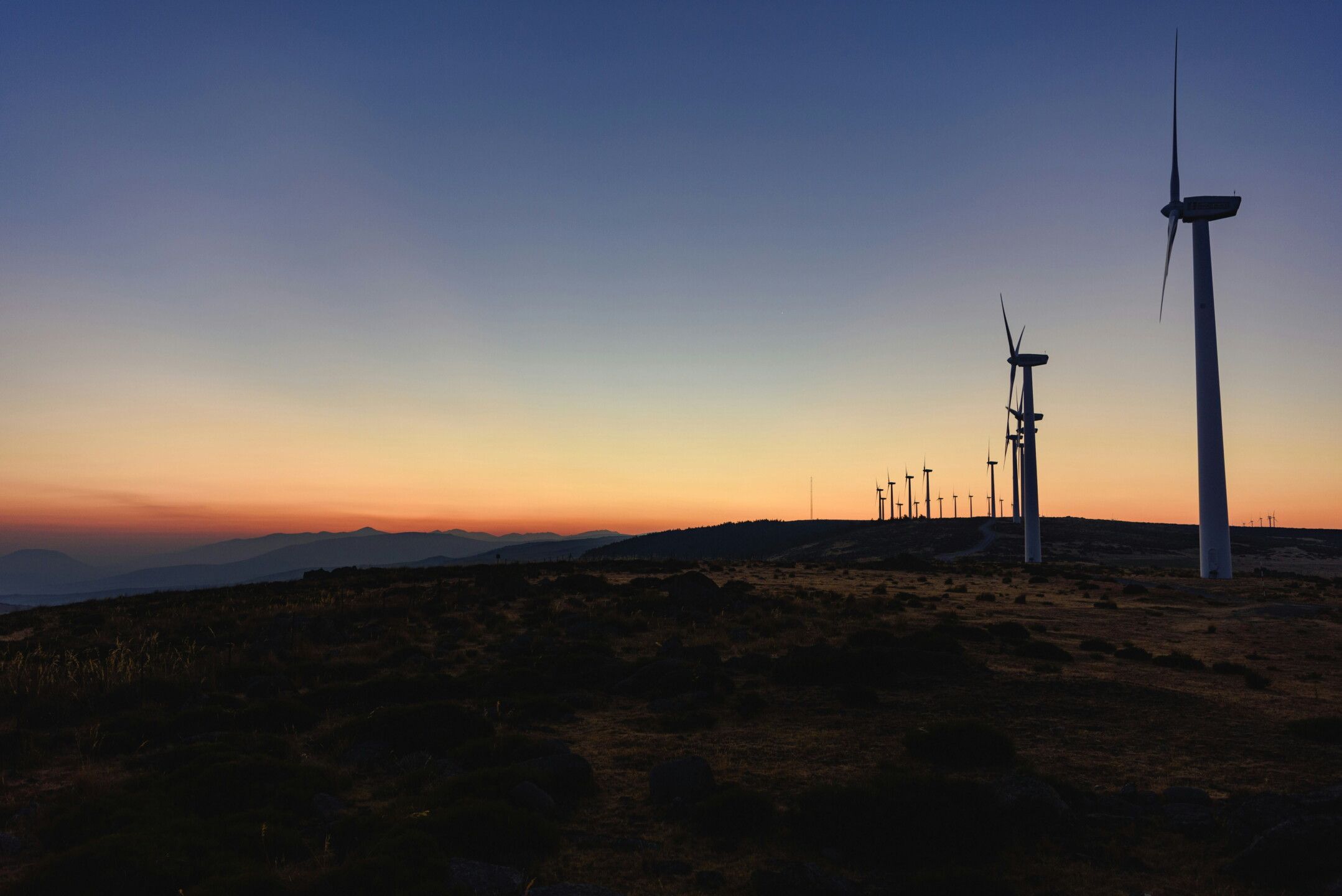
Spain’s renewable energy boom has an uncomfortable paradox at its heart. While the country is generating increasing volumes of cheap solar and wind electricity, Spain has historically lacked the capacity to store this energy. When supply exceeded demand, renewable power was often curtailed or sold at extremely low prices.
Now, this is beginning to change. Spain is quietly accelerating a national strategy to build grid-scale energy storage, positioning itself not just as a renewable powerhouse, but potentially as “Europe’s battery”.
From stagnation to acceleration
Until recently, Spain’s progress in grid-scale battery storage had been relatively slow. Between 2023 and 2025, about 50 MW of battery capacity was connected to the grid. Yet in a striking shift, more than 57 MW were installed in January 2026 alone, surpassing the total deployed during the previous three years combined.
This sudden acceleration could be the opening phase of a broader transformation in Spain’s energy infrastructure. After years of regulatory debate about how to manage growing renewable generation, the storage sector is stepping up to offer flexibility, maximise network capacity and accelerate the connection of new generation.
Why storage has become urgent
Spain is one of Europe’s most dynamic renewable markets, particularly in solar power. By now, everyone has heard of Spain’s sunny middays, right? (I strongly recommend experiencing them…). During those hours of peak solar generation, electricity floods the system and wholesale prices can fall dramatically. Without sufficient storage capacity, this surplus energy cannot be fully utilised. Instead, it risks being curtailed or exported cheaply, representing a lost economic opportunity.
Battery systems offer a solution: they allow electricity generated during oversupply periods to be stored and released later when demand rises and prices are higher. In essence, storage turns intermittent renewable generation into dispatchable energy.
A plan for 16 GW of batteries
To address this challenge, Spain is planning a massive rollout of battery storage infrastructure. The strategy centres upon deploying around 16 GW of battery capacity capable of absorbing surplus solar and wind generation.
If realised, the scale of this rollout would be remarkable. According to economic newspaper Expansión, construction of 16 GW would represent roughly 29% of the world’s projected battery storage capacity, placing Spain among the global leaders in grid-scale storage.
The ambition goes even further. Spain’s Integrated National Energy and Climate Plan (PNIEC) targets 22.5 GW of storage capacity by 2030, combining batteries with other energy storage technologies such as pumped hydro.
Spain as Europe’s storage hub
Energy storage is rapidly becoming a new industrial pillar within Spain’s energy transition. An EY report estimates that projects currently under development could generate around €2 billion in turnover by 2030, tied to the deployment of those 16,000 MW of battery storage.
This creates a new ecosystem involving developers, utilities, technology suppliers and grid operators. As storage assets become integrated into electricity markets, they will increasingly play a role in balancing supply and demand, stabilising the grid and participating in ancillary services.
The strategic implications extend well beyond Spain’s borders.
With abundant solar resources and rapidly expanding wind capacity, Spain has the potential to generate large volumes of low-cost renewable electricity. Storage infrastructure would allow that electricity to be shifted across time – stored when it is cheapest and released when the European system needs it most.
In that scenario, Spain could evolve into a continental energy buffer: reducing renewable curtailment, smoothing price volatility in wholesale electricity markets and strengthening Europe’s energy security
Such a role would complement the broader European transition away from fossil fuels and imported energy.
The next phase
Spain’s renewable revolution has already transformed the country’s generation mix. Yet generation alone is not enough. The next phase of the energy transition will be defined by flexibility, by the ability to manage when electricity is produced, stored and consumed.
If Spain succeeds in deploying storage at the scale currently envisaged, it will not only solve a domestic challenge but also redefine the country’s role in Europe’s increasingly integrated energy system, transforming a renewable powerhouse into something even more strategic: the continent’s battery.
Make your storage story clear, credible and timely. Learn more about how TEAM LEWIS can support your energy communications.