Where to start? Marketing Channels
Sometimes it’s difficult to prioritise which marketing channels to begin with first, and a lot will depend on your situation and audience. This hierarchy ensures your marketing efforts are scalable, impactful, and aligned with both short-term and long-term goals.
Execution Order:
- Start with Owned Media: Solidify your foundation (website & UX, email, quality content and guides).
- Leverage Performance Marketing: Drive traffic and conversions through paid channels. (Social media ads or Google Ads)
- Focus on Engagement Channels: Build trust and relationships through social media, influencer marketing and securing media coverage with digital PR. (Earned and Shared media)
- Invest in Long-Term SEO: Consistently optimise for organic growth and collaborate with affiliates to expand reach.
- Experiment for Innovation: Test emerging channels to stay ahead of trends. (TikTok, podcasts and AI automation tools)
Tools and Strategies
Effective management of marketing priorities requires the right tools and strategies. Free project management tools like ClickUp are crucial, enabling teams to efficiently plan, execute, and monitor campaigns. These tools organise tasks, set deadlines, and track progress, ensuring alignment and common goals.
Analytics tools are also vital for managing priorities. Tracking performance and analysing data provide valuable insights into what works and what needs improvement, informing decision-making and optimising strategies for better results.
Content planning and prioritisation frameworks are crucial for managing priorities. They guide content creation and distribution, ensuring alignment with the company’s strategy and resonance with the target audience. Employing these tools and strategies helps marketers maximise resources and drive effective campaigns.
Marketing Priorities examples
Implementing clear marketing priorities can lead to tangible results and drive business success. Here are some real-life examples:
1. Boosting Brand Awareness through Content Marketing
Example: HubSpot’s Inbound Marketing Strategy
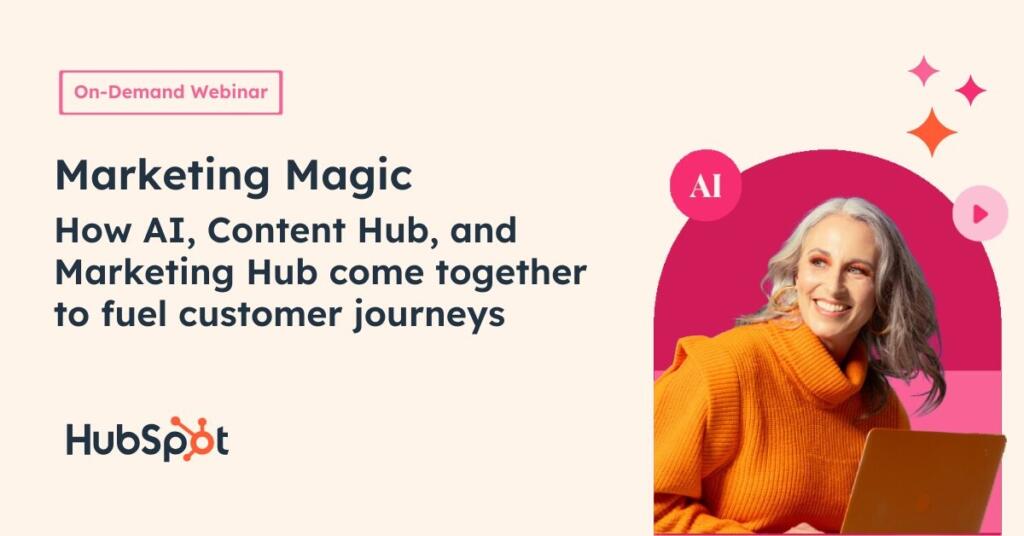
HubSpot, a leader in inbound marketing, has effectively prioritised content marketing to establish itself as an industry thought leader. By consistently delivering high-quality, relevant content—such as blog posts, e-books, and webinars—that resonates with their target audience, HubSpot has attracted a loyal following and significantly increased brand awareness.
2. Enhancing Customer Engagement through Social Media
Example: Starbucks’ Social Media Engagement
Starbucks has excelled in enhancing customer engagement through active social media presence. By responding to customer queries, sharing user-generated content, and creating interactive campaigns, Starbucks has built strong relationships and fostered a sense of community among its customers. This strategy has not only increased customer loyalty but also amplified their brand presence online.

These examples demonstrate how prioritising specific marketing strategies, such as content marketing and social media engagement, can lead to measurable success and drive business growth.
3. Prioritising Sustainability to Enhance Brand Image
Example: Nike’s “Move to Zero” Campaign
In 2024, Nike prioritised its digital PR with an initiative called “Move to Zero” , aiming for zero carbon emissions and zero waste to protect the future of sport. This campaign involved increasing the use of environmentally preferred materials to 50% of all key materials—polyester, cotton, leather, and rubber—and diverting 100% of waste from landfills in their extended supply chain, with at least 80% recycled back into Nike products and other goods.

By transparently communicating these efforts through various marketing channels, Nike not only enhanced its brand image but also resonated with environmentally conscious consumers, leading to increased brand loyalty and market share.
Future Trends
Looking ahead, several trends will shape future marketing priorities. A significant trend is the role of artificial intelligence (AI) in marketing. AI allows marketers to analyse vast data, personalise experiences, and automate tasks, making efforts more efficient and effective.
Embracing personalisation and customer-centric strategies remains crucial in the digital age. As consumers seek personalised experiences, businesses prioritising personalisation gain a competitive edge. Focusing on customer needs and preferences helps create meaningful connections and drive higher engagement.
In the rapidly evolving digital world, staying ahead of trends and adapting strategies accordingly is essential for success. Monitoring emerging technologies and consumer behaviours ensures that priorities remain relevant and effective in achieving business goals.