Two decades ago, the economic dragon of China began to stir. The country’s vast labour resources awoke from its slumber and began funnelling into newly designated industrial zones that would ignite an era of unprecedented growth. Powered by OEMs (Original Equipment Manufacturers) eager to tap into the country’s skilled, cost-effective workforce, China quickly became the manufacturing backbone for many Western brands. The “Made in China” label has since become a global fixture for affordable and efficient mass production across a wide spectrum of standards and experiences.
But as the world changed, so did China’s economic ambitions. The old playbook of OEM partnerships and low-cost exports were experiencing a paradigm shift in both quality and innovation. And this is no coincidence. Announced in 2015 by the Chinese government, the “Made in China 2025” strategic plan was a purposeful shift for China, looking to change its image as the “world’s factory” into a “technology-intensive powerhouse”. And like a dragon shedding its skin, Chinese companies quickly followed suit. They began pouring investments in the requisite infrastructure and R&D, while also reimagining their global go-to-market strategies. The shift would require a change in how products were made, sold, distributed and marketed.

Digital is a must, while brick and mortar an afterthought
Today, a new generation of Chinese brands are leading the way, sidestepping reliance on local retailers and distributors. Instead, many get their start by leveraging e-commerce channels, digital marketing channels and social media to adopt a direct-to-consumer approach before moving on to physical retail. Xiaomi for example, operated without any physical stores in its first four years of business. Today, it runs over 1,000 Mi Stores internationally, tailoring products with local language support and carrier partnerships to meet the needs of diverse markets. Digitally native brands like Shein and Anker take this even further, weaving integrated brand marketing into every touchpoint and using data-driven insights to engage and grow their international audiences.
This digital-first mindset has paved the way for Chinese brands to scale rapidly and resonate with their global customers. However, this evolution spanned decades to fruition, where early pioneering Chinese tech brands like Huawei, Lenovo and Xiaomi began with modest PR and marketing efforts before gradually building towards major brand partnerships and integrated global campaigns that were growing exponentially in scale. In 2023 alone, ByteDance (TikTok’s parent company) reportedly spent over $1 billion on worldwide marketing, including sponsorships and influencer partnerships across key markets.
The results today are undeniable. According to Kantar BrandZ, 14 Chinese brands ranked among the world’s top 100 most valuable in 2023, including Tencent, TikTok, and Huawei, a significant increase from just a handful a decade prior.
Strategic acquisitions and investments have further accelerated this global integration and bolstered brand equity, embodied by landmark deals such as Lenovo’s acquisition of IBM’s PC division, Geely’s purchase of Volvo and Tencent’s gaming investments, all of which have fundamentally expanded the global footprint of Chinese brands.
Yet as Chinese brands continue to expand their reach, they will undoubtedly face a new set of unforeseen challenges. An ongoing competition for technological supremacy between the U.S. and China coupled with the rise of geopolitical tension around the global means the path forward is fraught with uncertainties. What will these new hurdles materialise into as Chinese brands continue their outward expansion? What should Chinese brands pay attention to when future proofing and developing their brand marketing efforts? There is no longer a single winning formula and even outsized investments won’t necessarily guarantee returns on your brand equity any longer.
Case Study: iGarden at CES 2025
Agility wins in the race for social currency
Today’s consumers are more demanding than ever, expecting the right message at the right moment. For brands who are operating on a global stage across both online and offline channels, follow-the-sun responsiveness has become a standard norm. This new pressure has also spawned new opportunities for ideation and flash campaigns to capitalise on trends and hype. However, every interaction is now under intense scrutiny and as they say “the Internet is forever”. A single misstep on social media can escalate into a significant reputational issue, while sudden shifts in trade policies or geopolitical tension pose immense stress to operations overnight.
The agility of Chinese brands going global should be defined by their around the clock adaptability, something they already excel at on the manufacturing stage. Churning out campaigns in weeks from ideation to execution to earn social currency can give marketers an edge in truly staying top of mind. Marketers are under fire with having the acumen to connect the dots at all times, across various perspectives and different stakes to ensure the holistic brand health.
Multi-polar awareness is critical
The success and proliferation of Chinese brands entering the global stage is fundamentally redefining the concept of globalisation. We are shifting from a relatively Western-centric model to a more multipolar, connected world of global trends, standards and consumer behaviours. Chinese brands need to move beyond surface-level localisation and dismiss their “one-size-fits-all” mindset if they want to truly fill in the gaps of globalisation. Brand success requires deep, authentic insight and understanding into the true wants and needs of target audiences. What core value does the brand truly bring to the table? Navigating geopolitical complexities will be the norm, capitalising on it will be an art, which will require holding a genuinely international mindset.
This necessitates a holistic approach in well-informed stakeholder management that prioritises localisation at speed, while maintaining a market agnostic brand vision. To succeed, Chinese brands need partners who not only understand their ethos, but also possess a truly global perspective.
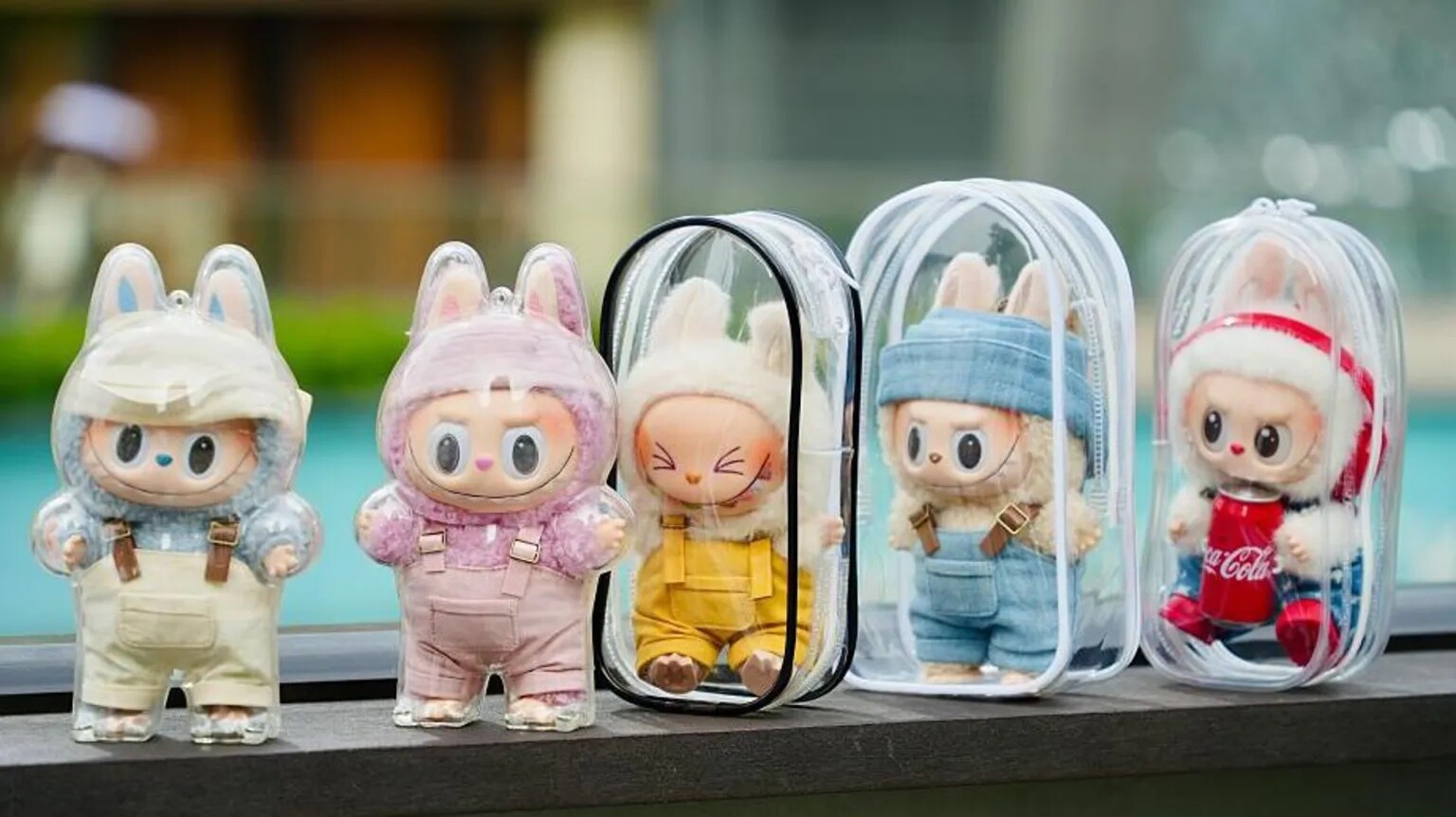
When POPMart shocked the world with its cult-favourite Labubu figures, the world began taking note of China’s success beyond product design. This sudden, overwhelming popularity across age and cultural demographics introduced a completely different avenue of product branding and virality that every brand now seeks to replicate. While creativity across all facets is critical, what truly sets brands apart is their ability to keep a finger on the pulse of culture and tap into what resonates emotionally and culturally on a global scale.
A more meaningful impact
Beyond growth lies the global imperative for sustainability and ESG (Environmental, Social, and Governance as modern brands are charged with upholding ethics and at a higher standard. Gen Z in particular are vocal about how much they value social impact and uplift, where 62% of the cohort say they are more likely to buy from brands that are transparent about their environmental and social impact. 77% of Gen Z say it’s important that the brands they buy from are socially responsible and contribute to the greater good.
For Chinese brands stepping onto the world stage, this means aligning brand values with the global citizen. Consumers nowadays expect brands and businesses to act on social causes, extending value beyond the customer to include both the community and in extension, the world.
Values aren’t something that can simply be marketing. They must be consistently demonstrated, seen and manifested by the brand across every touchpoint. Even more, authentic and meaningful storytelling has become critical for Chinese brands. Doing the right thing, telling the right story at the right time and standing up for what’s right matters. These are hallmarks of brands that thrive on the global stage. And if Chinese brands aspire to reach the upper echelons, they must partner with integrity and those with an international vision, capable of guiding them through complexity and helping them make a genuine impact on the world.