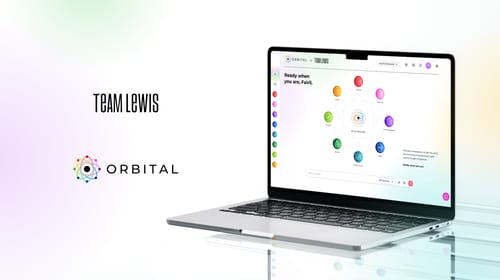
AI. It’s the inescapable topic for those of us in marketing (and a myriad other fields) at the moment. How to apply it? How much money can it save? Will it replace me? And while I don’t have answers to all of those questions just yet, I do know one thing. Marketers don’t need more AI – they need an AI that understands marketing work.
That means usable outputs, locally-aware nuance, and a security posture that respects the reality of sensitive communications. If you work in comms or marketing in a region like APAC, you know the reality: you’re operating across markets, time zones, stakeholder expectations, and cultural sensitivity – often with minutes to respond, not days.
The pressure isn’t just to “make content.” It’s to protect brand reputation, move decisions forward, and deliver outcomes in an environment where attention is fragmented and risk tolerance is low.
This means there is huge pressure on us all to adapt, meaning AI is moving from “nice-to-have” to “built-in” across marketing teams. However, the reality of what this looks like is more complex than the hype suggests.
Used well, AI can compress timelines, widen creative exploration, and remove repetitive work. Used carelessly, it can create compliance risk, data leakage, and brand inconsistencies at scale. The nuance sits in how you govern it, what you delegate to it, and how you redesign the human workflow around it.
Related content: The Future of Marketing: Harnessing AI Without Losing the Human Touch
The First Hurdle: Governance Fragmentation
Marketing runs on data – customer insights, campaign performance, audience segments – and often sensitive business context (product roadmaps, pricing, legal positions). Feeding that information into AI tools without guardrails can introduce serious risk.
Depending on your sector and market, you may face obligations around consent, data residency, retention, and disclosure. Even if an AI platform claims it doesn’t “train on your data,” teams still need to understand where prompts are stored, who can access logs, and whether data could be exposed through integrations or browser plugins.
In practice, the safest approach starts with a clear “do not upload” list (PII, customer lists, unreleased financials, confidential client materials), plus approved tools and environments (enterprise accounts, SSO, restricted sharing). Governance matters, but so does education: most AI risk comes from well-intentioned speed, not bad intent.
What marketers can offload to AI (and they shouldn’t)
A useful rule of thumb: offload tasks that are structured, repeatable, and easy to verify. Keep humans accountable for anything that is high-stakes, brand-defining, or legally sensitive.
Good candidates to delegate:
- First drafts of outlines, taglines, and content variations
- Summarising transcripts, interview notes, or long documents into usable briefs
- SEO support: keyword clustering, meta descriptions, FAQ scaffolding
- Social repurposing: turning one core idea into multiple platform-native formats
- Light analysis support: identifying patterns in campaign performance reports
Tasks to be cautious with:
- Claims about product performance, security, health outcomes, or regulated topics
- Competitive comparisons and “market facts” without source validation
- Anything using customer data, private campaign results, or non-public strategy
- Final brand voice decisions and messaging nuance in sensitive moments
The point isn’t to “replace” the craft. It’s to reduce time spent on the blank page and repetitive formatting so humans can focus on sharper judgment and stronger ideas.
That’s why we built our own platform: Marketing SideKick. An AI-powered marketing platform + managed service that brings marketing together in one place.
How AI is changing working models (inside companies and with agencies)
AI is quietly shifting where value sits. In-house teams are increasingly able to produce more content, faster, raising expectations for responsiveness and volume. At the same time, leadership is demanding clearer accountability: who approved this, what was generated, and what was checked?
Between clients and agencies, working models are evolving too. Agencies may be asked to deliver more iterations in less time, but clients also want transparency on tools used, data handling, and originality.
New norms are emerging: AI usage disclosures, prompt libraries as IP, and quality gates that define what must be human-reviewed (claims, tone, cultural nuance, legal alignment). The best partnerships will treat AI as a shared productivity layer- while agreeing upfront on risk, governance, and standards.
The bottom line: In marketing human-in-the-loop isn’t optional
AI can accelerate marketing, but it can’t own accountability. Marketing ultimately succeeds when it resonates. When it feels true, culturally aware, and emotionally specific to the audience. That resonance comes from human insight: understanding the moment, the tensions, the unspoken fears, and what will land with credibility.
The winning model is not “AI vs humans,” but humans using AI with discipline: clear guardrails, smart delegation, rigorous review, and a commitment to original thinking. Speed matters. But in marketing, meaning matters more.