For years, social media was the golden ticket to driving traffic to your website. Post links, gain clicks, and see your website’s traffic soar. But those days are behind us. With algorithm changes, evolving user behaviours, and privacy concerns, social media is no longer the powerhouse it once was for sending traffic to your site. What can marketers do about it?
Why Social Media Isn’t the Traffic Engine It Used to Be
Social media has gone through a transformation, and it’s reshaping how we think about digital marketing. Back in the day, platforms like Facebook and Twitter (now X) practically handed you traffic for free. But today’s algorithms are playing by a different set of rules.
The priority now is engagement. Platforms want users to stay put, not click away. That means posts with external links, like ones pointing to your website, are often buried in-feed. Translation: fewer eyeballs are landing on your site.
It’s not just the algorithms, either. User behaviour is shifting. People aren’t necessarily clicking just because a brand told them to. They’re more likely to seek out what they need through Google, or scroll through TikTok or YouTube for answers, entertainment, or reviews without ever leaving the platform.
And let’s not forget privacy. With growing concerns around data and tracking, people are thinking twice before tapping a link that takes them off-app. The result? Social media’s once-mighty power to drive site visits is fading
Time To Double Down on SEO
If social isn’t doing the heavy lifting anymore, where should your attention go? SEO. It might not be new or flashy, but it works. And now, more than ever, it’s critical.
Search engine optimisation helps your site show up where people are actively looking for answers, solutions, or products. Unlike social algorithms, which can be unpredictable, SEO gives you a steady, long-term stream of visitors – visitors who are already in the mindset to engage.
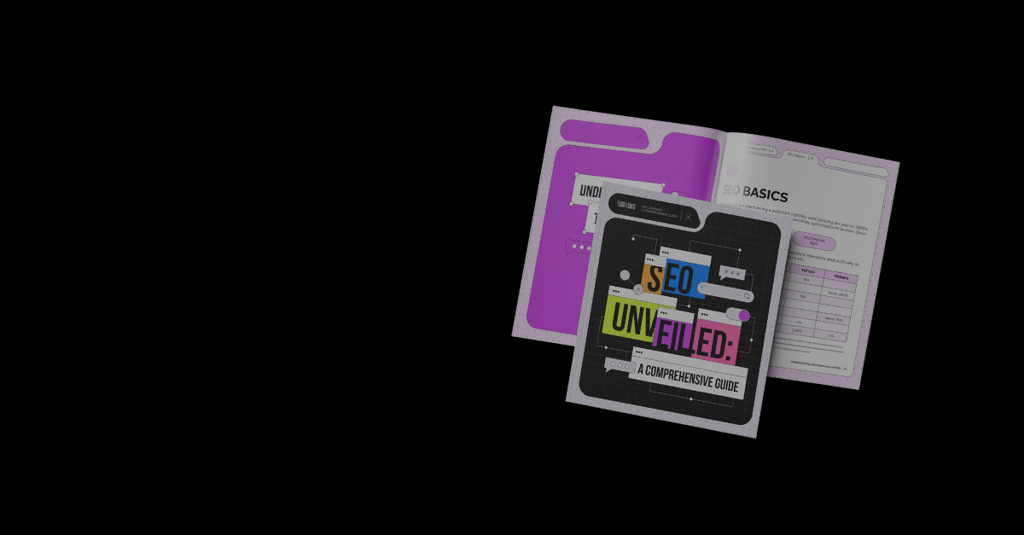
That means investing in quality content that actually helps people – blog posts, clear product pages, and smooth user experiences. Focus on the keywords your audience cares about, and make sure your site delivers value once they arrive.
In short, SEO is an essential part of any modern marketing strategy. When social media’s traffic-driving power fades, SEO takes the lead in ensuring consistent and valuable website visits.
Looking Ahead to the New Role of Social Media
Even if social media isn’t sending as much traffic as it used to, that doesn’t mean it’s off the table. Social platforms will remain invaluable for brand awareness, customer connection, and community building. They’re where your audience hangs out, asks questions, and shares opinions. So instead of trying to force clicks, use social to start conversations, share value, and keep your brand top of mind.
In the next part of this blog, we’ll dive deeper into how you can adapt your approach to social media, using it as a tool for connection and brand growth rather than a traffic engine. Stay tuned for insights on how to make social media work for you in this new era of marketing.
Related content: Reimagining Social Media’s Role in Your Brand Strategy