Renewable energy has moved decisively from ambition to an operational reality. Across Europe, wind and solar are becoming the backbone of electricity systems, reshaping not only infrastructure but also consumer behaviour and expectations toward energy companies, public institutions and policymakers.
In Germany this is creating an increasingly complex communication environment. The continued expansion of renewable capacity – fostered and encouraged by the federal government for more than twenty years – to account for more than half of our national generation underlines our tangible progress and success. On the other hand, challenges such as grid congestion, permitting and planning delays, high costs and system stability issues are becoming more acute, increasingly shaping public perception and energy policy debates. What is it though that makes the German Sonderweg so special?
A “special path“
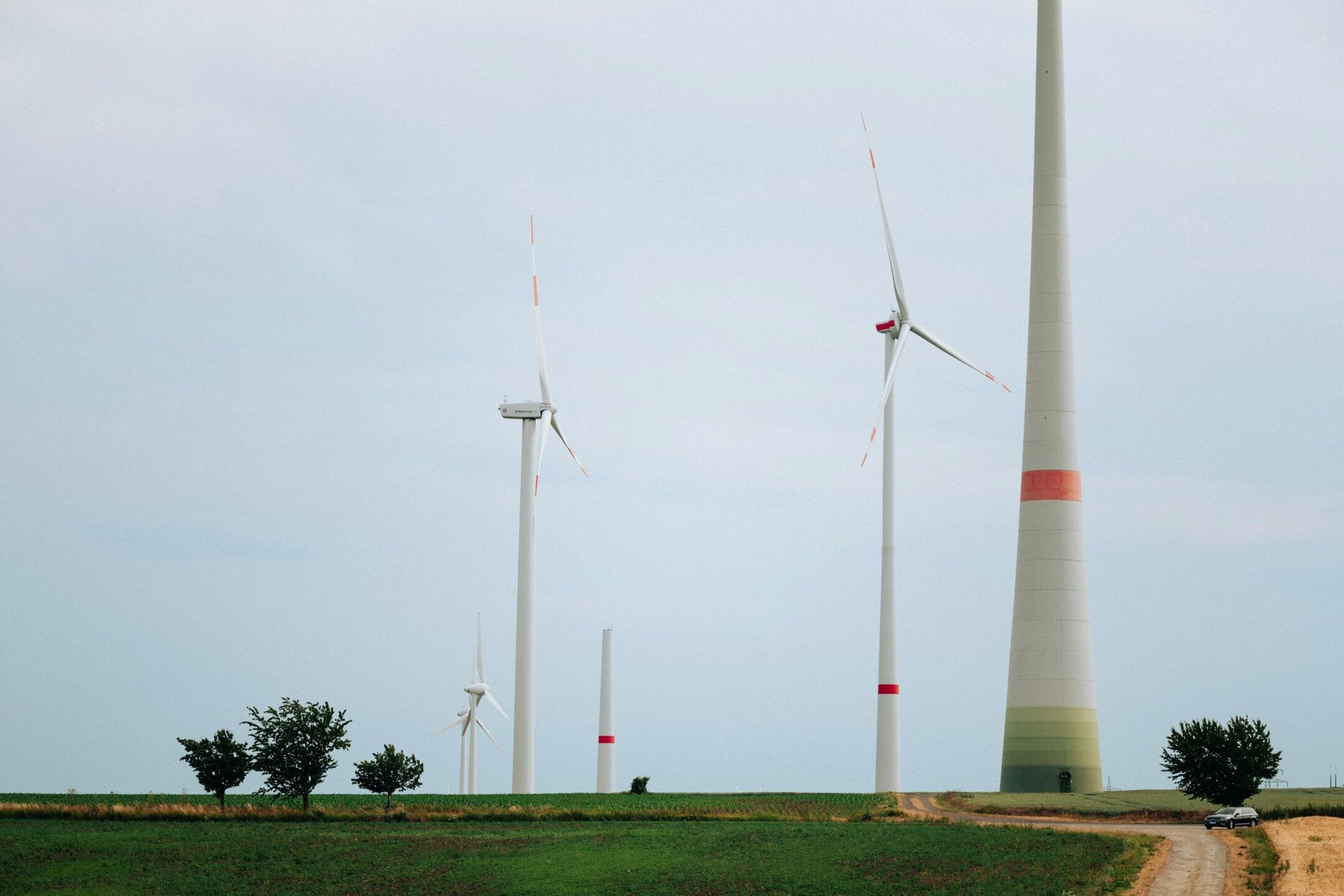
Across the Europe, renewable energy faces many of the same technical challenges but the public narratives can differ significantly. Southern European countries focus upon the speed and cost advantages of rapidly expanding renewable power sources, while northern and central European markets emphasise system integration, grid resilience, and flexibility. Germany is often perceived as a benchmark market, due to its special status as by far the largest wind and solar developer in Europe (Germany constructed over 4GW of wind generation in 2024 – almost a quarter of the 16.4GW total installed across the continent), all while turning away from nuclear and coal. The phase out of nuclear has helped to supercharge this transition; with atomic power accounting for almost a third of Germany’s total energy supply in 2002 when the Federal Government first decided to shutter German nuclear and fossil fuelled generation making up for almost 60 percent.
By early 2023, when the last nuclear power plant went off the grid, Germany’s energy mix had changed fundamentally. It is now renewables that make up for 60 percent of the country’s entire energy supply. Wind alone accounted for a higher share of generation in 2023 than nuclear power in 2002.
Abroad, the Federal Government’s decision has often been criticised as naïve and idealistic, rather than pragmatic and economic. And while it is true that sustainability and the dangers of climate change and nuclear incidents initially were a driving factor for starting the Energiewende, it is now more than ever that financial and economic factors are the primary motivator for Germany’s ongoing course towards a renewable-only supply. Survey after survey finds that solar and wind, not nuclear, are the cheapest ways of generating energy in general. Other major economic powers, including China, have taken note of Germany’s approach, making similar investments into renewable energy. Their rationale is familiar: renewables deliver industrial competitiveness, technological leadership and long-term security of supply
Local is key
Organisations operating across multiple EU markets must adapt their communication strategies to national energy narratives rather than attempt to translate their messages unchanged. This is particularly important in Germany.
To tell a global story locally, we recommend communicators prioritise three key insights in 2026:
- Shifting themes – Energy communication must move beyond generic sustainability language and focus on concrete system outcomes such as reliability, affordability, and resilience.
- Localisation on an international stage – Communicators must embed national progress in a European context to remain credible for international stakeholders.
- Explaining difference – Comparisons with other markets need to be addressed proactively, explaining differences in governance, market structures and public expectations, rather than avoiding them.
For international energy brands and communication agencies, this environment underlines the value of deep local market understanding. Supporting energy organisations today means translating technical complexity into market-specific narratives, aligning European and global perspectives, and helping clients build trust in an environment where expectations are rising and tolerance for oversimplification is shrinking.
Learn how you can strengthen your energy brand with insights from Germany’s renewable communication strategies.