Every business is different, of course. A global enterprise has different needs than a niche startup. This guide gives you a place to start. If you want a customized social media audit of your current presence, get in touch with us. We love to talk strategy.
LinkedIn: Your Digital Microsite
Think of your LinkedIn company page less as a billboard and more as a microsite. A living, breathing home base for your brand on the world’s largest professional network. But here’s the secret sauce: your company page is a support system. The real power on LinkedIn in 2025 lies in executive posts and employee advocacy.
The algorithm favors people, not brands. It’s that simple. An authentic post from your CEO, a director of marketing, or a subject matter expert on your team will receive on average, 3x more engagement than identical content published by company pages. This is your chance to build trust and thought leadership. Executives can share industry insights, celebrate team wins, and humanize your brand. Encourage your team to do the same. This isn’t just about reach. It’s about building a network of human connections who trust your brand’s expertise.
Instagram: Beyond the Feed
I know what you’re thinking. “Instagram is for B2C brands and influencers.” You’re not wrong, but there are some great use cases for B2B brand on Instagram, too. The platform has evolved into a powerful visual landing page. Your future clients are on the platform, and they’re not just looking for pretty pictures. They’re looking for personality, credibility, and proof.
Use your grid to showcase your company culture, share client success stories, and visually explain complex data with stunning infographics. The magic, though, is in consistent, short-form content that gets you in front of your audience again and again. Stories are your secret weapon for staying top of mind, especially for B2B brands with a long sales cycle. A quick poll, a behind-the-scenes look at a project, or a short interview can keep your brand relevant long after someone first discovers you.
And don’t sleep on Reels. You don’t need to do viral dances (unless that’s your vibe, then please send me your handle and I will be your biggest online cheerleader). Instead, use them for short-form educational content. Think bite-sized tutorials, quick tips, or a fun, relatable POV that addresses a common pain point. Reels are a fantastic way to reach new audiences and show your human side without a huge production budget.

TikTok: The Creative Frontier
TikTok is not a necessity for every B2B brand. It’s a commitment. But if your brand has a dedicated content team and a hunger to push creative boundaries, it can be a goldmine for brand awareness and recruitment marketing.
Success on TikTok comes from a deep understanding of the platform’s culture and a specific content strategy. You must know your brand’s unique personality. If you’re a serious cybersecurity firm, a sarcastic sound trend might not fit your brand values. But you could use a trending audio to highlight a common user mistake, offering a quick tip to fix it. This is educational content in an entertaining package, or as we call it, “edutainment.”
The key is to create authentic content that feels native to the platform. Don’t repurpose a corporate video. Instead, tell a story. Show a behind-the-scenes look at how your product is built. Interview an engineer. The audience wants to see the real people behind the brand. This is about building trust in an unexpected place.
X: The Real-Time Arena
X (formerly Twitter) is a different beast in 2025. It’s a platform of extremes. On one hand, it’s still a firehose of real-time information and a forum for public conversation. On the other, it’s full of trolls and negative commentary. This makes it an exercise in weighing risk vs reward for B2B brands.
Before you invest, consider your brand standards and how you handle online negativity. Do you have a community manager who can navigate difficult conversations with grace? If so, X can be an incredible channel for thought leadership and real-time industry news. Use it to comment on breaking trends, share sharp takes on current events, and engage with industry leaders. It can get a lot of eyeballs, but you must ask yourself: are they the right ones? The audience is often more interested in debate than in a sales pitch. Use this platform to listen and learn first, then engage.
Facebook: The Community Hub
For most B2B brands, the days of a general Facebook page as a primary channel are over. Keep it updated, sure, but don’t assign major KPIs to it. The real value for B2B on Facebook in 2025 is in private groups.
If you have an active Facebook Group, you have a direct line to your most engaged audience. This is where your customer base gathers to ask questions, share tips, and build community. It’s a powerful space for customer support, product feedback, and lead nurturing. Remember, people join groups for a sense of belonging. They don’t want to be sold to. They want to connect with other professionals like them.
And for awareness campaigns, Meta Ads are still a powerhouse. You can leverage Meta’s incredible targeting capabilities to reach new audiences without a large organic presence. This is a pay-to-play platform for a reason, and if you have the budget for awareness campaigns, it’s worth it.
Reddit: The Digital Focus Group
Reddit isn’t a place for traditional marketing. It’s a place for social listening and authentic engagement. Imagine a giant, decentralized forum where people are having raw, unfiltered conversations about your industry. That’s Reddit.
Don’t create a company profile and start posting press releases. You’ll get downvoted into oblivion. Instead, use it as a digital focus group. Monitor relevant subreddits to understand what people love about your competitors and what their pain points are. Use this insight to inform your product development and content strategy.
Then, when you have a subject matter expert on your team, have them engage as a human. Answer a question, share a valuable resource, or participate in a discussion without a hard sell. This builds trust and positions your brand as a helpful authority. It’s a long game, but the payoff is genuine credibility.
Emerging Platforms: A Glimpse into the Future
The social media landscape is always shifting. A few emerging platforms are worth watching in 2025.
Threads, Meta’s text-based platform, has seen massive growth by leveraging its connection to Instagram. The user base is growing at a remarkable rate with over 400 million monthly active users as of August 2025, including 115 million average daily users. In comparison, X has about 600 million monthly active users and last reported 132 million average daily active users. It’s proving to be a great place for conversational content and live updates, while still very much being a playground to test new ideas.
Bluesky, on the other hand, is still a bit more niche and decentralized. It’s an interesting place for brands who want to get in on the ground floor of a more community-focused platform.
These platforms aren’t a priority for most B2B brands right now, but they’re not a bad idea for experimentation. See what kind of content gets engagement and if your target audience is there. The content that works here is authentic, often unpolished, and focuses on real conversations. Think of these as your brand’s research and development lab for new social media strategies.
How to Choose Your Channels
So how many platforms do you need to be on? The answer is simple: fewer than you think.
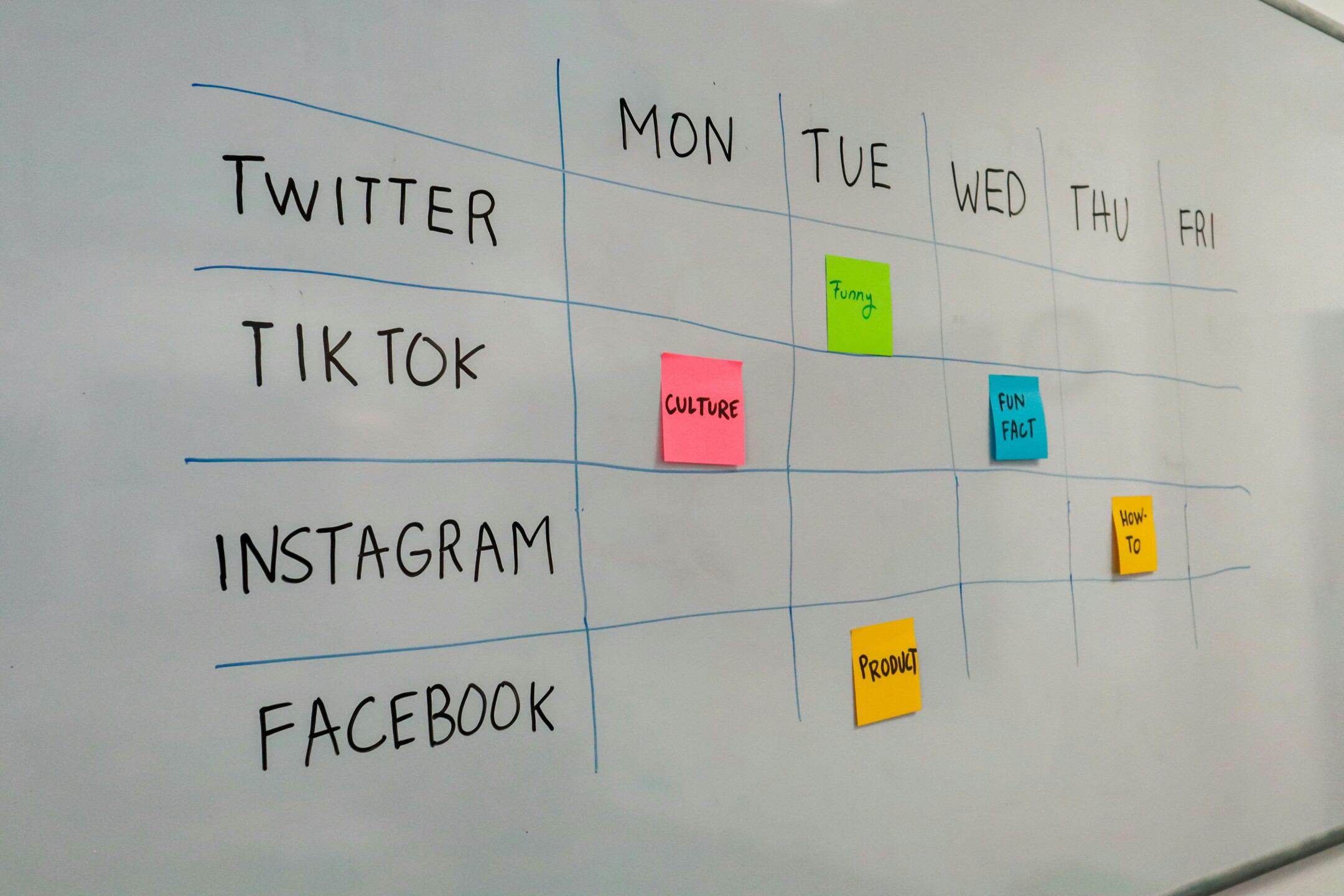
Don’t spread yourself too thin. Quality trumps quantity every single time. It’s better to be excellent on two platforms than mediocre on five. Trying to create customized, high-quality content for every single channel is a recipe for burnout. Repurposing the same generic post across every channel is not an effective strategy.
First, ask yourself a few questions. What are your long-term KPIs? Are you trying to build an active community or drive awareness? Pick the platforms that align with your goals and where your ideal customer actually hangs out.
This guide is just the beginning. The right platforms for your business depend on your unique goals and audience. Let’s talk about your social media strategy for 2025. Connect with me on LinkedIn or send me an email. I’m a big believer in not just being on social media, but in winning at it.